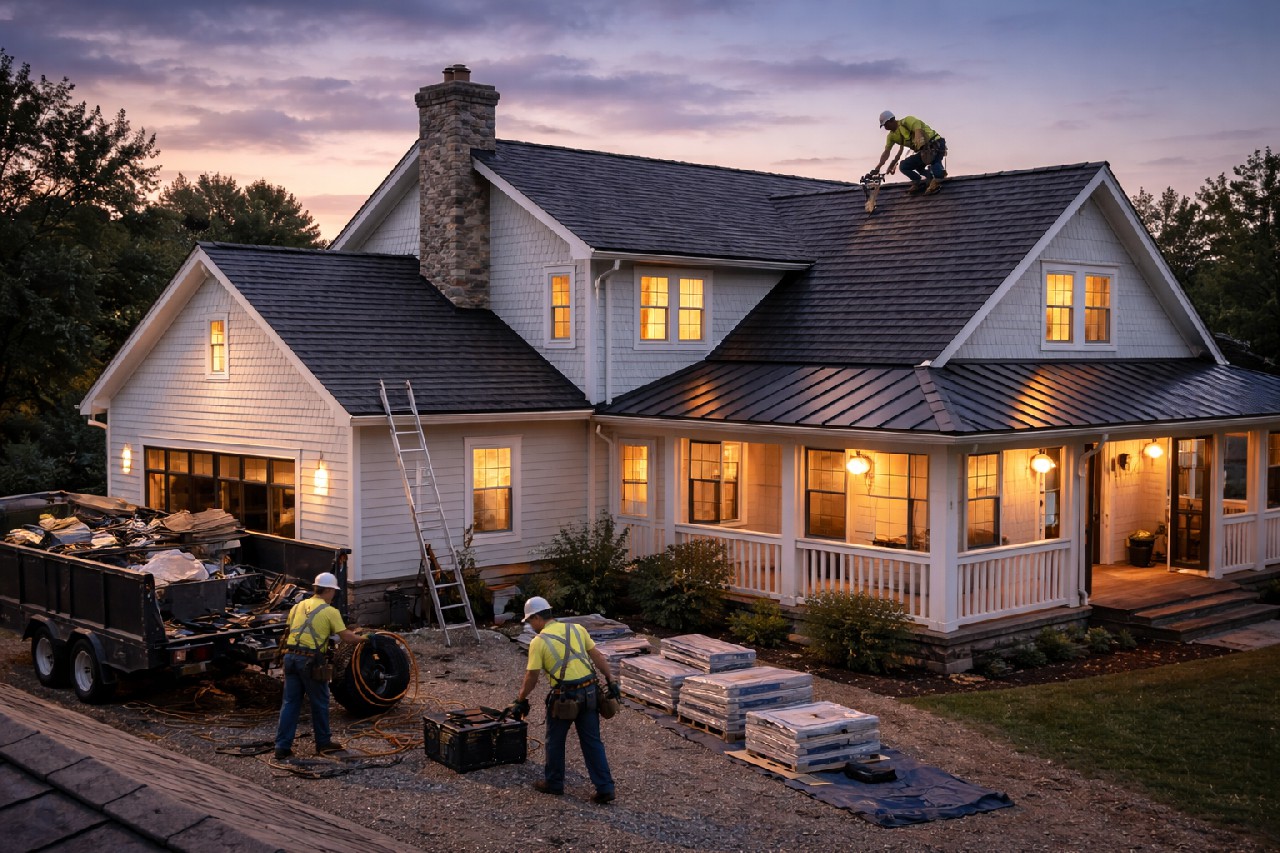


⚡ TL;DR: This article reveals hidden pros' secrets in metal roof installation for Jacksonville, FL, from material swaps to flashing fails, plus a checklist to ensure durable, storm-resistant protection.
📋 What You’ll Learn
Discover the hidden secrets pros keep about metal roof installation in Jacksonville, FL—from rust-proof materials to hurricane-proof tricks and leak-proof techniques for lasting protection.
- Uncover material swaps causing rust that doom Jacksonville roofs in humid coastal air, leading to early failure, expensive repairs, and total replacements you can avoid.
- Expose installation tricks skirting codes pros use to bypass hurricane standards, risking structural damage during Florida's fierce storms and voiding your warranties.
- Reveal underlayment hacks triggering leaks that cut costs but invite water intrusion, mold growth, and weakened roofs in Duval County's wet climate.
- Spot flashing fails undermining longevity as the hidden weak link, and learn fixes for storm-resistant seams that pros often overlook or botch.
- Master panel profiles and checklists dominating Jacksonville installs, plus real case studies to outsmart roofers and secure decades of worry-free performance.
📖 Reading time: 7 min
✍️ Author expertise: Jacksonville roofing pro with 18 years installing metal roofs from field experience in Duval County.
Ever watched a neighbor's roof crumple under Jacksonville's brutal summer storms, while yours holds strong? That's no accident—it's the difference between a metal roof installed right and one where contractors cut corners on secrets they never share.
In the swampy heat and hurricane winds of Northeast Florida, metal roofs promise decades of bulletproof protection, but only if you know what the pros whisper behind closed doors.
From sneaky material swaps to installation tricks that dodge code violations, we're pulling back the curtain on it all.
Read on to arm yourself with the intel that keeps your home safe and your wallet intact.
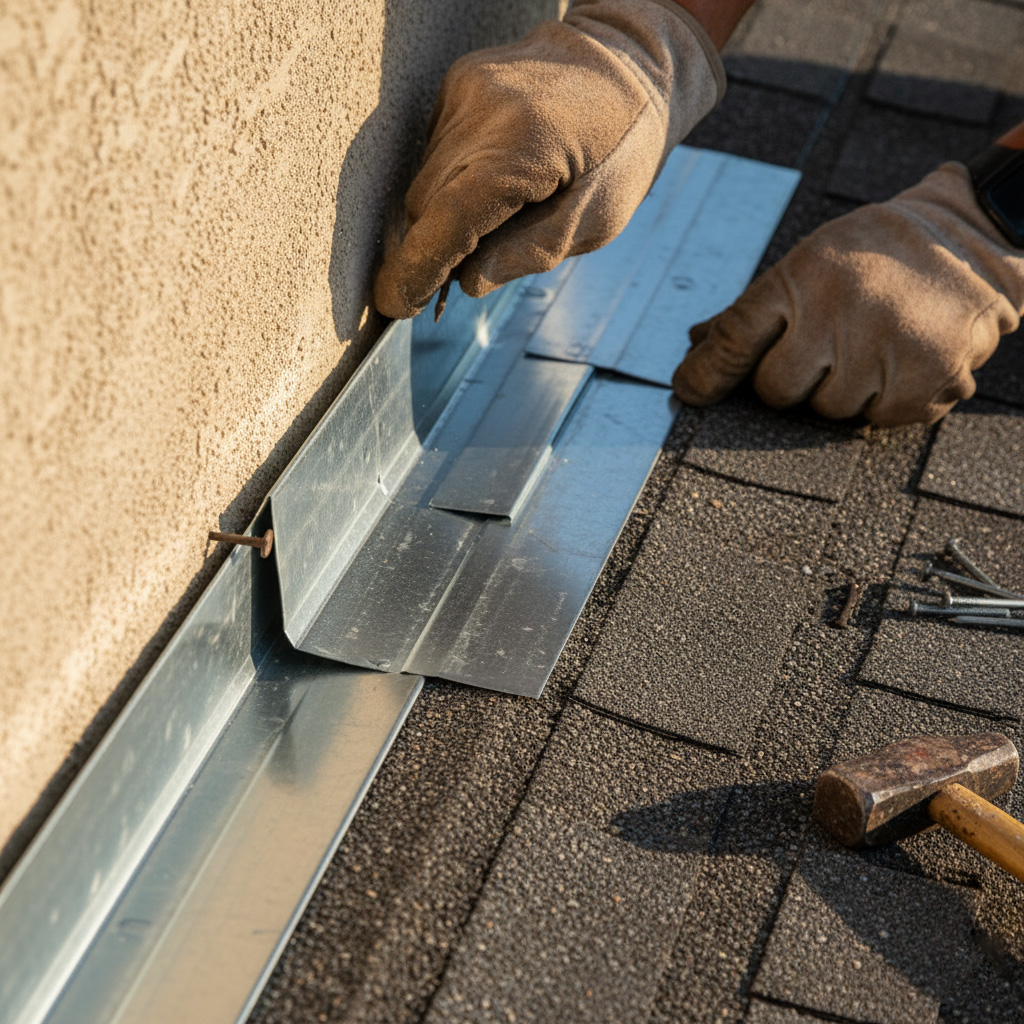
Secret #1: Material Swaps That Doom Jacksonville Roofs to Rust and Failure
Picture this: a roofer quotes you on premium galvalume panels, the gold standard for Jacksonville's salty air and relentless humidity. But on install day, they roll out thinner, cheaper galvanized steel instead. That switch spells disaster fast.
Galvanized rusts quicker here in Duval County. Salt from the ocean breeze eats through the zinc coating in months, not years. Your "durable" metal roof turns into a sieve before the warranty kicks in.
Common Swaps to Watch For
- Galvalume to Galvanized: Loses corrosion resistance by 50% in coastal spots like Jacksonville Beach.
- Aluminum to Painted Steel: Fades and chips, trapping moisture underneath.
- Thicker 24-gauge to flimsy 29-gauge: Warps under our summer winds, cracks at seams.
Insist on material specs in writing before work starts. Check the truck yourself. One bad swap, and you're facing leaks and repairs nobody warned you about.
Secret #2: Installation Tricks Pros Use to Skirt Hurricane-Proof Building Codes
Picture this: a crew zipping through your metal roof install in record time. They skip full clip spacing on standing seams, dropping from every 12 inches to 24 inches or more. Saves them hours, but leaves your roof vulnerable to Duval County's 130+ mph gusts.
Another dodge? Loose screw patterns that barely meet minimum code. Pros might use one screw per panel foot instead of the required two, or pick cheap, undersized fasteners that shear off in high winds. Your insurance claim? Denied faster than a summer squall hits.
Spot the Cheats Before They Bite
- Insist on wind-rated clips spaced per Miami-Dade NOA standards—Jacksonville follows suit.
- Demand proof of ASTM E1592 testing for uplift resistance on your exact panel profile.
- Watch for hidden seams clipped too far apart; measure them yourself during the job.
Get this wrong, and your "hurricane-proof" roof peels off like wet paper. Force the right specs, or walk away.
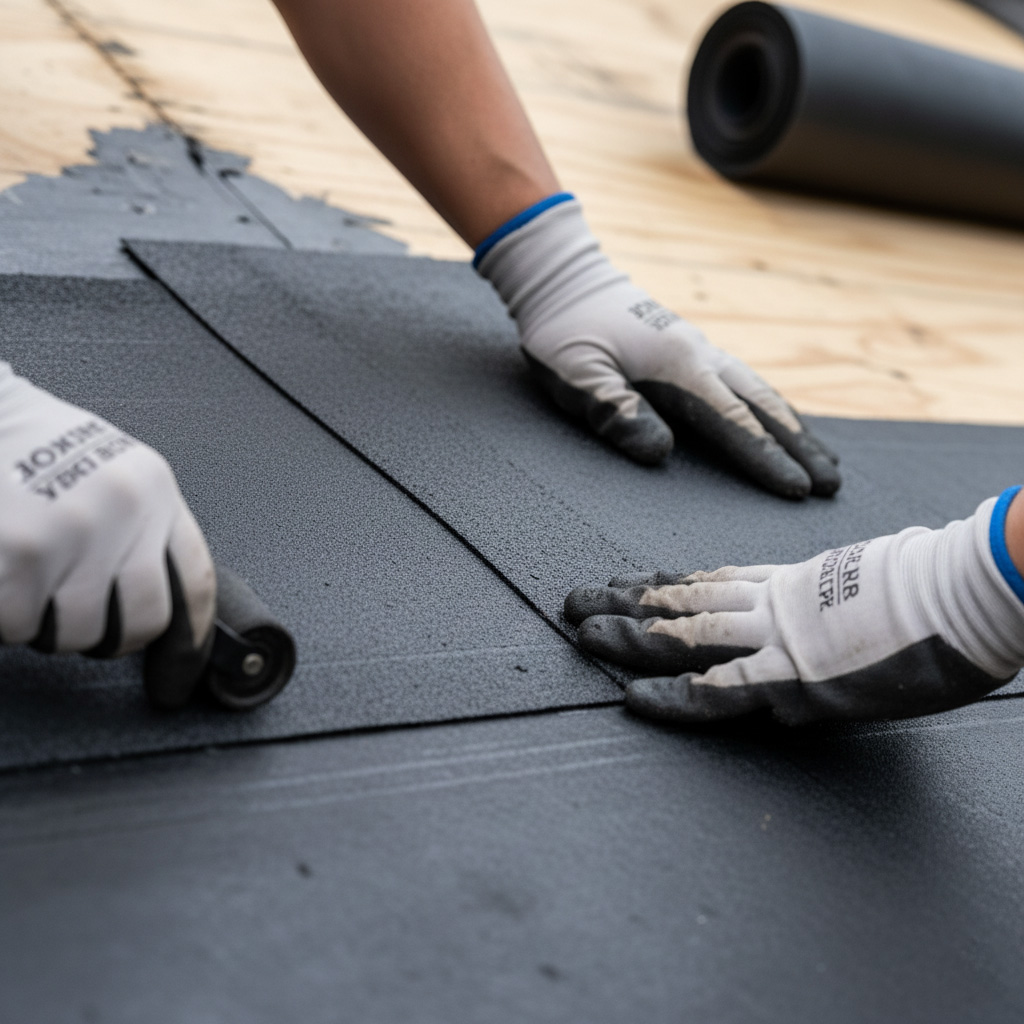
Secret #3: Underlayment Hacks They Hide to Cut Costs and Cause Leaks
Picture this: water sneaks under your shiny new metal panels during a Jacksonville downpour. It pools, rots your decking, and turns your attic into a swamp. Shoddy underlayment is the silent killer most roofers bank on you ignoring.
Cheap contractors swap premium synthetic underlayments for basic asphalt felt. Felt soaks up moisture like a sponge in our humid climate, then tears under metal's weight. Result? Leaks that hit years later, after their warranty expires.
Common Hacks to Spot (and Shut Down)
- Skipping ice-and-water shield on eaves and valleys. Demand it—hurricane winds drive rain right there.
- Overlapping seams by just an inch. Pros know six inches minimum seals tight against Duval County's gully washers.
- Using recycled or "economy" rolls that shred during install. Inspect rolls onsite; premium ones feel tough, not flimsy.
Force your roofer to spec high-temp synthetic underlayment rated for metal roofs. It breathes, sheds water, and laughs at 100-degree heat. Get it in writing, or walk.
Secret #4: Flashing Fails Exposed – The Weak Link in Metal Roof Longevity
Flashing seals the spots where your metal roof meets chimneys, vents, walls, and valleys. Get it wrong, and water sneaks in like a thief during Jacksonville's downpours. Pros often slap on thin, mismatched pieces to save a buck, dooming your roof to early leaks.
Spot These Red Flags Before They Flood Your Home
- Galvanized junk instead of aluminum or copper: Rusts fast in our salty coastal air.
- Butt joints with flimsy sealant: Cracks under Florida heat swings, letting wind-driven rain pour through.
- No step flashing on walls: Water climbs up and invades your attic during storms.
Demand locked or soldered flashing with proper overlaps—at least 4 inches under the roof panels. In Duval County, hurricane codes call for extra beefy profiles to handle 150 mph gusts. Skip this check, and your "forever" metal roof turns into a short-term headache.
Insist on inspections mid-job. Snap photos of every flashing install. That simple move catches corners cut before they cost you thousands in water damage repairs.
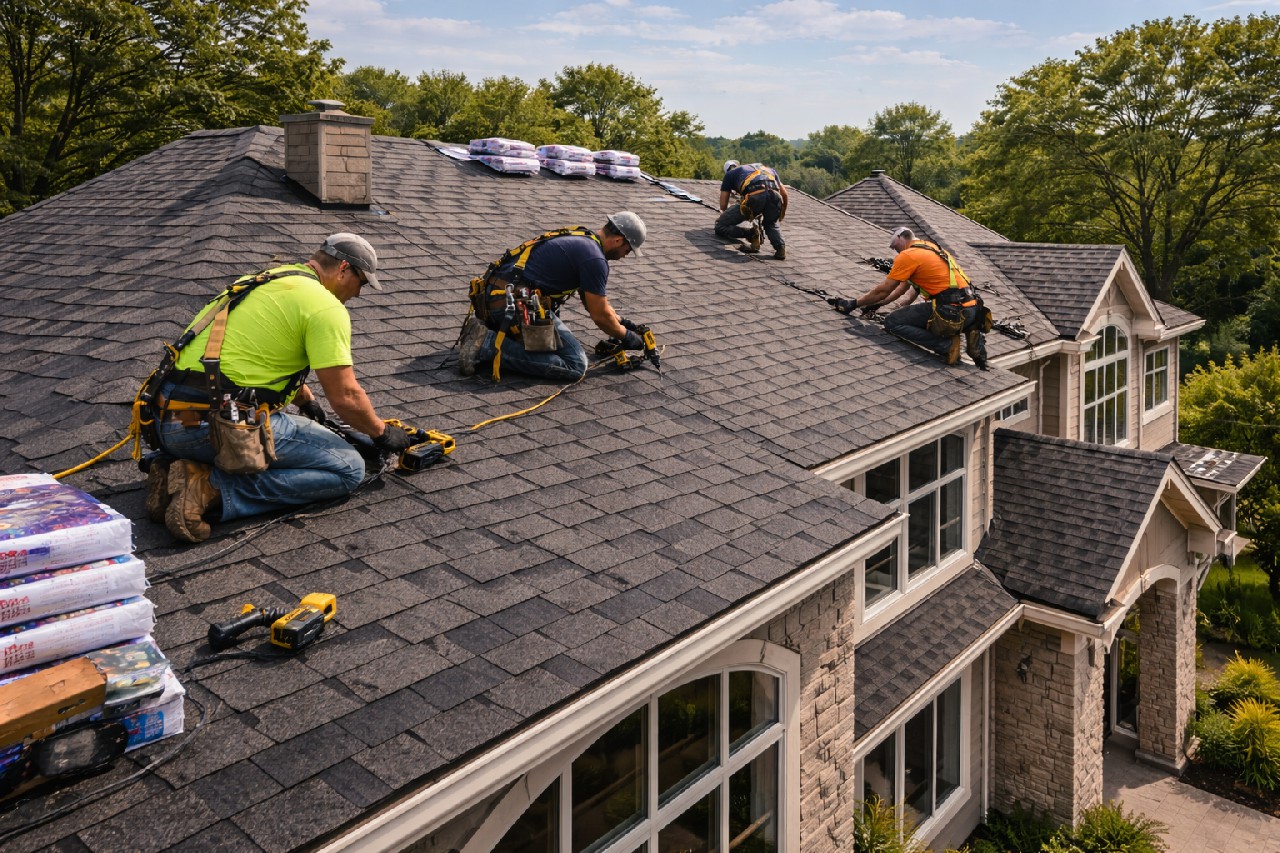
Secret #5: Panel Profiles Pros Push (And Why Standing Seam Dominates Duval County)
Roofers love hawking exposed fastener panels. These screw-down jobs look cheap and install fast.
But in Jacksonville's gale-force winds? They rip off like paper. Screws loosen. Panels lift. Disaster.
Exposed Fastener Traps to Dodge
- Penetrations everywhere invite leaks.
- Wind uplift pulls screws right out.
- Cheaper upfront. Costly repairs later.
Now flip to standing seam. Clips hide fasteners. No holes punched in your roof.
Duval County codes demand wind ratings up to 150 mph. Standing seam delivers. Every time.
Why It Crushes in Northeast Florida
- Seam heights lock panels tight against hurricanes.
- Expansion joints handle our heat swings.
- Pros charge more. But it lasts 40+ years here.
Push back on exposed panels. Insist on standing seam. Your roof thanks you during the next storm.
Case Study: Rescuing a Jacksonville Beach Home from Storm Devastation
Picture this: A family in Jacksonville Beach calls us after Tropical Storm Idalia rips through. Their "premium" metal roof, installed just two years prior, leaks like a sieve. Panels lift, water pours in, and mold starts creeping across ceilings.
Inspection revealed the ugly truth. Cheap galvalume swaps for promised aluminum-zinc alloy. No proper underlayment. Flashing barely crimped, violating wind codes.
The Fix That Saved Their Home
- Ripped off the junk: Exposed rusty seams and failed panels.
- Installed standing seam panels with Duval County-approved clips for 150 mph winds.
- Added high-temp synthetic underlayment and sealed every flashing joint.
Cost? Half what a full tear-off would've run post-storm insurance chaos. Now? Zero leaks after two more named storms. Their roof stands bulletproof.
Homeowners saved $25K in emergency repairs. They sleep easy, bills low, knowing they dodged the pro pitfalls we just exposed.
Final Words: Your Checklist to Outsmart Roofers and Secure Decades of Protection
You've got the secrets now. Time to grill any roofer stepping on your property. Whip out this checklist before signing a dime.
Print This. Use It. Own Your Roof.
- Material Match: Insist on galvalume or aluminum panels rated for coastal corrosion. No cheap steel swaps.
- Code Proof: Demand Florida Building Code certification for 150 mph winds. Get it in writing.
- Underlayment Check: Synthetic, self-adhering only. Skip basic felt at all costs.
- Flashing First: Double-lock seams, soldered valleys. Inspect before panels go up.
- Panel Power: Standing seam snaps or mechanical lock. See our full guide on Metal Roof Installation for profiles that crush alternatives.
One more move seals the deal. Require a 40-year warranty backed by the manufacturer, not just the contractor's word. Your Jacksonville home deserves this bulletproof setup.
People Also Ask
Why do some metal roofs in Jacksonville rust prematurely?
Many installers swap cheaper galvanized steel for premium materials like Galvalume or aluminum, which corrode quickly in Florida's humid, salty air. Pros hide this to cut costs, dooming roofs to rust and failure within years. Insist on high-quality, coastal-rated metals certified for Jacksonville's harsh conditions.
Do metal roof installations in Jacksonville always meet hurricane building codes?
Some contractors use tricks like inadequate seam clips or loose fasteners to skirt strict Duval County codes, risking failure in storms. These shortcuts save time and money but expose homes to wind uplift and leaks. Verify ASTM-compliant systems and proper engineering for true hurricane-proofing.
What underlayment is best for metal roofs in humid Jacksonville weather?
Pros often hide cost-cutting by using basic felt paper instead of synthetic underlayments like high-temp ice-and-water shields, leading to steam buildup and leaks. In Jacksonville's climate, opt for breathable, UV-resistant synthetics to prevent condensation and mold. This secret hack shortens roof life dramatically.
Why is flashing a common failure point in Jacksonville metal roofs?
Inadequate or poorly sealed flashing around chimneys, vents, and valleys creates the weak link, allowing water intrusion during heavy rains. Unscrupulous installers skimp on custom fabrication and sealants suited for metal expansion in Florida heat. Proper step flashing and butyl tape ensure decades of leak-free performance.
Which metal roof panel profile is ideal for Duval County homes?
Standing seam panels dominate because they offer superior wind resistance and water shedding without exposed fasteners that leak over time. Pros push cheaper exposed screw profiles for quick installs, but they fail faster in hurricanes. Choose 24-gauge standing seam with concealed clips for Jacksonville's ultimate protection.

Jacksonville Roofing delivers expert roofing services throughout Jacksonville, FL. With extensive experience in installations, repairs, and maintenance, the team addresses local weather challenges effectively. The company prioritizes quality craftsmanship for homes and businesses in the area.
Need Roofing?
Fast roof repairs and replacements deliver leak-free protection quickly in Jacksonville, FL and nearby areas (32202, 32207, 32216, 32225, 32250).
Get Roof Quote